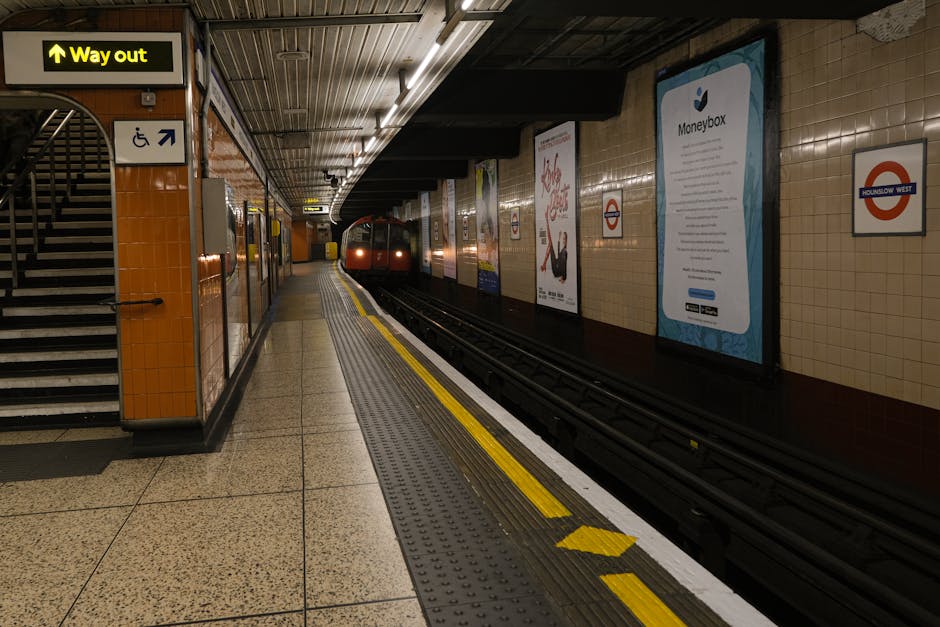
South Kensington station access guide for Brompton removals
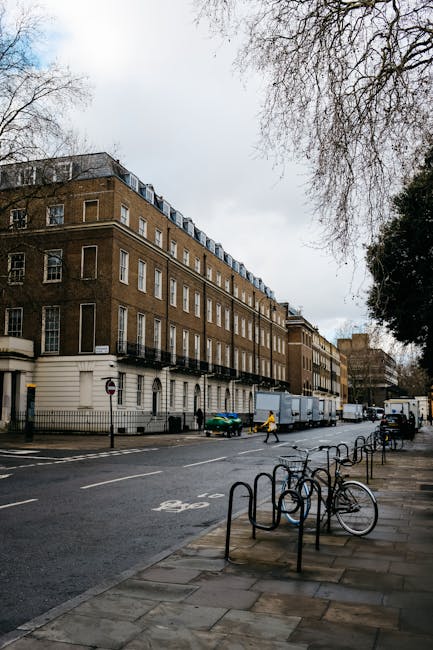
If you are planning a move around Brompton, South Kensington station can be both a convenience and a complication. The station sits in a busy part of London where narrow pavements, steady footfall, conservation-style streets, and timed traffic all shape how a removal day feels in real life. This South Kensington station access guide for Brompton removals breaks down what matters, what to check first, and how to avoid those last-minute surprises that turn a simple move into a long morning of parking stress and box-shuffling. Truth be told, a little planning here saves a lot of heavy lifting later.
In the pages below, you will find practical guidance on access, timing, loading, likely bottlenecks, the kind of removal vehicle that usually works best, and the small checks that make a big difference. If you are moving from a flat, handling a house move, or coordinating a commercial relocation nearby, this is the sort of detail that keeps the day calm. And yes, calm is possible, even in central London.
Why South Kensington station access guide for Brompton removals Matters
South Kensington is one of those areas where the move itself is rarely the only challenge. Access can affect the whole day: where the van waits, how far movers have to carry items, whether a sofa can be turned safely at the doorway, and whether you start building up unnecessary time on the job. Around a station, you also have to think about people flow. There is commuter movement, school-run traffic, taxi stopping, and the occasional lorry or delivery vehicle trying to squeeze in where it probably should not.
For Brompton removals, this matters because a removal team is not simply turning up and loading boxes. They are planning a route, a stopping point, and a sequence of lifts that has to fit the street, the building, and the hour of the day. If the access plan is weak, everything else becomes harder. If the access plan is sound, the day feels oddly uneventful in the best possible way.
There is also a trust angle. A good removal company will be upfront about vehicle choice, walking distance, access restrictions, insurance, and the reality of working near a major station. That honesty matters. It tells you they understand the area rather than just quoting from a distance. If you are comparing providers, it is sensible to look at their wider approach too, including their about us information, insurance and safety standards, and health and safety policy.
How South Kensington station access guide for Brompton removals Works
At a practical level, station access planning is about three things: where the vehicle can stop, how the team will move items between the property and the vehicle, and how long that process will take. Simple enough on paper. In the real world, not always.
First, the team needs to assess whether the property is close enough to station roads for short-carry loading or whether they will need to work from a more distant stopping point. Then they consider vehicle size. A smaller vehicle may be easier to position near tight streets, while a larger one may reduce the number of trips but be harder to place. There is no one-size-fits-all answer here. It depends on what you are moving and where.
Second, access around a station often changes by time of day. What works at 9:30 a.m. may be inconvenient by lunchtime. A road that feels manageable in the morning can become less forgiving once foot traffic builds. This is why timing matters as much as location. You are not just booking a van; you are booking a window of workable conditions.
Third, the contents of the property change the plan. A single-room student move is very different from a family home full of furniture or an office relocation with desks, screens, and archive boxes. If you need a flexible service, options like man and van support, removal van hire, or a larger moving truck can each make sense depending on the load and the access point.
It is also worth planning what happens if the move is split across two stages. Sometimes a van can collect the bulk of the goods, while heavier or awkward items are moved separately. That is one of those quiet little tactics that can save a lot of head-scratching on the day.
Key Benefits and Practical Advantages
A good access plan does more than reduce hassle. It makes the whole removal feel more controlled, and that has real value when you are balancing keys, paperwork, children, work calls, or a train to catch.
- Shorter loading times: Less time spent circling for access means more time moving items efficiently.
- Lower risk of damage: Fewer awkward turns, less stopping and starting, and safer handling of furniture near kerbs or tight entrances.
- Better cost control: When movers can estimate access properly, there is less chance of hidden delays.
- Less disruption to neighbours and passers-by: Especially useful in busy Brompton streets close to transport hubs.
- More realistic vehicle choice: You avoid booking something too large or too small for the route and the property.
There is another benefit that is easy to overlook: peace of mind. If you know the access plan is sorted, you can focus on the move itself rather than standing by the window at 7 a.m. wondering whether the van can fit where it needs to. We have all been there, or near enough.
For many customers, the right pairing is not just access planning but also the right service type. A compact flat move might suit flat removals, while a larger household relocation may be better handled through home moves or dedicated house removals.
Who This Is For and When It Makes Sense
This guide is useful for a surprisingly wide group of people. If you are moving within Brompton, into Brompton, or out of a property close to South Kensington station, you will likely need to think about access in some way. That said, the level of planning changes depending on the move.
You will probably benefit most if you are:
- moving from a flat with limited parking nearby
- handling a same-day or short-notice move
- relocating a business, clinic, or office near station streets
- dealing with bulky furniture, a piano, or fragile items
- working with a property that has narrow stairs or no lift
- trying to keep disruption low for neighbours or building managers
Students often need a simpler setup, but access still matters. A small van can be perfectly fine, though only if the street and the building allow the team to load safely. If that sounds like your situation, you may want to compare student removals with more general removals so you are not paying for more vehicle than you need.
Commercial moves are a slightly different beast. Equipment, documents, and staff schedules all make access timing more sensitive. In those cases, commercial moves and office removals are usually the better starting point than a casual one-size-fits-all approach.
Step-by-Step Guidance
If you want the move to run smoothly, follow the sequence below. It is not glamorous. It is just effective.
1. Check the property layout first
Look at the entrance, stairwell, hallway width, and any bend points inside the building. A long dining table or large wardrobe can become awkward in seconds if the route is tighter than expected. Measure the tricky bits. Even a quick tape measure check can save a lot of bother.
2. Identify the best stopping point
Think about where the van can pause without blocking traffic or creating a risk near the station. In central London, you want a location that allows quick loading but does not force the crew to push items too far. Short carries are ideal. Long carries are possible, but they should be planned, not discovered mid-move.
3. Match the vehicle to the load
A smaller removal van is useful for light, compact jobs or tight access. A larger truck may be the right call for bigger properties or when you want to reduce multiple journeys. If you are not sure, ask the removal team to explain the trade-off rather than guessing. Guessing is how people end up with a van that looks right and behaves terribly on the day.
4. Time the move sensibly
Station areas change throughout the day. Early morning can be calmer for loading, while later periods may bring more pedestrians and road activity. The best time is not always the earliest time. Sometimes a slightly later slot works better if the street is less chaotic. That said, you do not want to be the person trying to lift a sofa while everyone else is late for a train.
5. Prepare the items for fast handling
Boxes should be sealed, furniture should be protected, and fragile items should be set aside clearly. If you want smoother loading, use proper materials from packing and boxes or consider packing and unpacking services if time is tight.
6. Confirm insurance and paperwork
Make sure the mover has suitable cover and that you understand any terms affecting waiting time, access issues, or cancellations. This is not the fun bit, granted, but it is the bit that protects you if plans shift.
7. Plan for the final few metres
The last stretch matters most. A van may be close enough on a map and still awkward in practice if the route to the entrance is busy or uneven. That final stretch is where trolleys, lifting straps, and steady communication earn their keep.
Expert Tips for Better Results
There are a few lessons that tend to repeat themselves in central London removals, and South Kensington is no exception.
- Send photos before the move: Entrance steps, hallway corners, parking view, and any lifts help the team prepare properly.
- Label by room and priority: It sounds basic, but it cuts down a surprising amount of hesitation.
- Keep a small "first night" box separate: Chargers, documents, kettle bits, toiletries, and a change of clothes. You will thank yourself later.
- Check furniture dimensions against doorways: Not every awkward scrape means disaster, but the fewer surprises the better.
- Ask about short-notice flexibility: A move near a station can be affected by traffic, delayed access, or building restrictions.
One practical point that gets missed: if you are moving from a flat above ground level, ask how the crew will handle multiple floors, lifts, and waiting time. A team that understands flat removals will usually ask the right questions early, which is a good sign.
And a little human advice? Keep your phone charged. Not poetic, but essential. There is always one call about a key handover, loading bay issue, or missing box. Always.
Common Mistakes to Avoid
The mistakes that cause the most trouble are rarely dramatic. They are usually small planning gaps that compound on the day.
- Assuming a large vehicle will be easiest: Bigger is not automatically better in station-heavy streets.
- Ignoring walking distance: A short look on a map can hide a much longer real carry route.
- Forgetting building restrictions: Some properties have specific access windows, lift limits, or management rules.
- Not telling the mover about bulky items: Pianos, safes, American-style fridges, and large wardrobes need advance planning.
- Leaving packing too late: If boxes are still half-open at collection time, everything slows down.
- Assuming parking will sort itself out: It rarely does. Not in London, anyway.
Another common one is booking a service without reading the small print. If you want clarity on what is covered, check the provider's terms and conditions and any guidance on payment and security. It is a boring five minutes that can save you a headache later.
Tools, Resources and Recommendations
You do not need a toolkit the size of a small workshop, but a few items make access-heavy removals much easier.
- Measuring tape: For doorways, stair width, lifts, and furniture dimensions.
- Furniture covers and blankets: Useful for protecting finish and reducing scuffs.
- Sturdy boxes: Better than overfilled supermarket boxes that bow under pressure.
- Marker pens and labels: Clear labelling speeds up unloading and reduces confusion.
- Phone camera: Helpful for photographing access, meter positions, and item condition before moving.
- Trolley or sack barrow: Particularly useful where the carry distance is longer than expected.
If you are disposing of old pieces during the move, consider whether the job is really a removals job, a collection job, or a mixed move. Some people only need furniture pick-up or furniture removals, while others are better served by a full move with storage included. If you are between homes, storage can be a sensible buffer rather than cramming everything into temporary space.
For specialist or awkward items, the recommendation is simple: tell the removals company early. A piano, for example, is not a detail to leave until the van arrives. Use a dedicated option such as piano removals where needed. That is one area where "we'll see on the day" is not a strategy.
Law, Compliance, Standards, or Best Practice
With station access and removals, there is not usually one single rulebook that covers everything in plain English. Instead, good practice tends to sit across traffic awareness, property management expectations, health and safety, vehicle suitability, and fair handling of customer goods. In London, that means respecting local access conditions, loading restrictions where applicable, and the practical realities of busy public spaces.
For customers, the main thing is to work with a mover that takes safety seriously and explains limitations clearly. If a company talks openly about risk, access, and insurance, that is usually a good sign. If they seem vague or overly casual, be careful. Being relaxed is fine. Being vague is not.
Businesses moving around South Kensington should also think about staff welfare, equipment protection, and continuity. A careful commercial move reduces the chance of a messy restart the next morning. If that is your situation, services like office relocation services and commercial moves are more aligned with the job than a generic van booking.
Best practice in this context is simple: plan access, confirm timing, communicate clearly, and keep the process proportionate to the property and the load. Not glamorous, but solid.
Options, Methods, or Comparison Table
Choosing the right approach depends on the size of the move, how close the property is to workable loading space, and how much handling the items can tolerate. Here is a simple comparison to make the decision easier.
| Option | Best for | Strengths | Limitations |
|---|---|---|---|
| Man and van | Small to medium moves, short carries, flexible timing | Efficient, adaptable, often ideal for tighter access | May require more trips for larger loads |
| Removal van | Compact flat moves and local relocations | Good balance of size and manoeuvrability | Less suited to very large household moves |
| Moving truck | Large homes, multi-room loads, bigger commercial jobs | Reduces repeat journeys and handles more volume | Can be harder to position near station-heavy streets |
| Storage plus move | Moves with timing gaps, refurbishments, or delayed handovers | Creates breathing room and reduces pressure on move day | Needs extra planning and coordination |
If your priority is speed and flexibility, man with a van or man with van services can be a sensible fit. If you are moving a full property, larger removal truck hire may make more sense. To be fair, the best option is often the one that fits the access reality, not the one that sounds biggest on a website.
Case Study or Real-World Example
Here is a realistic example based on the sort of move people often make around South Kensington station.
A couple in a Brompton flat had a move scheduled for a weekday morning. The property was on an upper floor, the stairwell was narrow in one section, and the street outside had limited room for prolonged loading. Rather than sending the largest available vehicle, the mover assessed the access first and recommended a more compact setup with a short-carry plan. Boxes were stacked in room order, fragile items were wrapped properly, and the couple kept a first-night bag separate. Nothing dramatic happened. Which, in removals, is often the best possible outcome.
The biggest win was not speed. It was control. Because the team had the access information early, they avoided trial and error at the kerb. The move felt steady, and the clients were able to keep an eye on keys, documents, and handover timings without panicking over the van. Small detail, big difference.
That is the point of a solid South Kensington station access guide for Brompton removals. It turns a busy local move into a sequence you can actually manage.
Practical Checklist
Use this checklist a day or two before the move, and again on the morning if needed.
- Measure the entrance, stairs, and any tight turns
- Confirm where the van can stop safely
- Check whether the property or building has access restrictions
- Photograph the route from the property to the vehicle point
- Label boxes by room and priority
- Keep documents, keys, chargers, and medicines separate
- Wrap fragile and high-value items
- Tell the mover about heavy or awkward furniture in advance
- Confirm the chosen vehicle size makes sense for the load
- Review insurance, payment, and terms before the day
- Plan a backup for delays, lift issues, or key handover changes
- Set aside food, water, and a simple first-night bag
Quick expert summary: if you get the access, timing, and vehicle choice right, the rest of the move usually behaves itself. Not perfectly, but well enough to keep the stress down and the work moving.
If you are still weighing up the best approach, it is worth looking at removal services alongside your specific property type. For business moves, the same logic applies with office removals. For students, simpler services can be enough. For families, the planning usually needs to be more detailed. Different move, different rhythm.
Get a free quote today and see how much you can save.
Conclusion
South Kensington station access can make a Brompton move feel straightforward or frustrating, and the difference usually comes down to preparation. If you think through stopping points, walking distance, vehicle size, timing, and building access early, you give yourself a much calmer day. That is the real value of a good access guide: fewer unknowns, fewer delays, and less pressure when the boxes start moving.
Whether you are booking a small van, arranging a full household move, or planning something more specialised, the safest route is to treat access as part of the service, not an afterthought. It is one of those things that rewards careful thinking. And honestly, in a place as busy as Brompton, careful thinking is a pretty good habit.
When the move is handled well, you notice it in the small things: the easy lift through the doorway, the tidy load in the vehicle, the quiet relief when the last box is down. That is a good day's work.
Frequently Asked Questions
How do I know if my Brompton property has suitable access near South Kensington station?
Start with the basics: doorway width, stair turns, lift size, and how close the vehicle can reasonably stop. If you can, walk the route from the property to the road and note any pinch points. Photos help too. It is often those final few metres that decide whether the move is easy or a bit of a wrestle.
Is a small van better than a larger truck for South Kensington station access?
Not always. A smaller vehicle is often easier to place in tight streets and busy access points, but a larger truck can be more efficient for bigger loads. The right answer depends on what you are moving and how close the vehicle can get. Bigger is not automatically better. Sometimes it is just bigger.
What should I tell the removals team before moving day?
Tell them about stairs, lifts, parking limitations, awkward furniture, storage needs, and anything fragile or valuable. If access is tricky, mention it early and send photos if possible. The more the team knows, the less they have to guess on the day.
Can I move during busy station hours?
Yes, but it is usually less convenient. Busy periods can mean more pedestrians, more stopping and starting, and a more complicated loading process. If you have flexibility, choose a calmer time. If you do not, just plan carefully and build in extra margin.
What if the van cannot stop directly outside the property?
That is common in central London. The crew may need to use a short-carry or park at a workable nearby point. The key is to plan for that in advance so no one is surprised by a longer walk with boxes in hand.
Do I need packing help for a move near South Kensington station?
It depends on your time, the size of the move, and how fragile your items are. If you are under pressure, packing support can make the day much smoother. For many people, a proper packing service is less about luxury and more about sanity.
What types of move are most affected by station access?
Flat moves, house removals, student moves, office relocations, and specialist item transport are all affected. Anything involving stairs, narrow streets, or heavy furniture benefits from access planning. The more items and the more awkward the route, the more access matters.
How early should I arrange a quote for a Brompton move?
As early as you can, especially if the move is near a station or involves complex access. Early quoting gives the mover time to assess the route properly and suggest the right vehicle. It also gives you room to compare options without rushing.
What if I need storage between moving out and moving in?
Storage can be a very practical bridge when dates do not line up cleanly. It is especially useful if you are waiting on keys, refurbishments, or delayed access. In that case, plan the storage and the move together so the handover is smooth.
Are commercial moves around South Kensington station different from home moves?
Yes, usually. Commercial moves need more attention to timing, equipment, staff impact, and continuity of work. Even a small office move can create disruption if access is not planned carefully. That is why specialist commercial moves and office relocation services are often the better fit.
What is the best way to avoid delays on moving day?
Prepare everything in advance: pack properly, confirm access, choose the right vehicle, and keep communication open with the movers. Delays often come from small things like unclear parking, unfinished packing, or missing keys. Sort those out early and the day usually stays on track.
How do I choose between removal companies for this area?
Look for a company that asks sensible questions about access, vehicle size, timing, and building details. Check whether they explain cover, terms, and what happens if plans change. A good mover should sound practical, not vague. If they understand the area, you will feel it pretty quickly.