Removals in Brompton

Our removals in Brompton service is arranged to help households and businesses move belongings with care, structure and clear communication. We handle everyday contents, awkward furniture and practical loading plans so the move is easier to manage from the first box to the final placement. If you are comparing options, the right service should feel organised, not hurried, and should match the access, volume and timing of your move.
We work across local moves and longer routes, with services that can suit flats, houses, offices and smaller collections of items. For customers who want a simple summary before they get in touch, the main choices usually begin with home moves, office removals and man and van support, depending on the size of the job and the level of help needed.
If you are ready to take the next step, request a quotation with a short outline of what needs moving, where it is going and when you hope to move.
House and flat removals planned around your move
House and flat removals often need a balance of practical lifting, careful stacking and sensible route planning. A move from a maisonette, terrace or larger family property may involve different access points, narrow stairs or shared entrances, so the work needs to be organised before anything is carried. Good planning helps protect furniture finishes, keeps boxes grouped sensibly and reduces avoidable delays on moving day.
For smaller homes or individual rooms, a more compact vehicle and a lighter loading plan may be sufficient. For larger properties, a fuller crew approach can help with beds, wardrobes, appliances and multiple boxes. Related service pages such as flat removals and house removals can help you choose the most suitable option for your property type and the amount of furniture involved.
If you are collecting details for a quote, the most useful information is usually a rough room count, the main pieces to be moved and whether parking or access is restricted. A clear inventory helps us understand the scale of the job, while a note about awkward items makes planning simpler. Even a short list can be enough to start the conversation and decide what preparation is needed.
Commercial moves and office relocation support

Commercial moves need a different rhythm from domestic work because furniture, files, equipment and workstations often have to be moved with attention to sequence and downtime. The aim is to keep the process orderly, with a plan for lifting, sorting and unloading that reflects how the office or premises is used. Desks, chairs, archive boxes and IT-related items all benefit from labelled handling and a sensible order of removal.
Where a business move is being considered, a focused approach can make it easier to separate core items from furniture that can be dismantled or reassembled. Our commercial options include commercial moves, office relocation services and office removals, which can be helpful when the move needs to be planned around access, building rules or staged loading.
It is usually best to group items by area or function before the move begins, especially where multiple desks, cupboards or document boxes are involved. If you have specialist equipment or pieces that need extra care, mention them early so the moving plan reflects the item type rather than treating everything as standard furniture. Clear labelling can also make unloading more efficient.
Single items, furniture collections and practical lifting
Not every job is a full property move. Some customers only need a sofa taken to another address, a bed collected after purchase, or a few heavy items removed from one room and delivered elsewhere. In those cases, furniture removals can be a practical answer because the service is centred on handling individual items safely rather than organising an entire household move.
We also support customers who need help with furniture pick-up or transport for larger standalone items. Depending on what is being moved, useful pages include furniture removals, furniture pick-up and moving truck. The most suitable choice depends on whether the job is mainly collection, delivery, lifting or a combination of all three.
When booking this type of work, it helps to say whether the item can be dismantled, whether it requires stair carrying and whether there are any fragile surfaces, mirrors or glass sections. These details shape the handling method and the loading sequence. Small jobs still benefit from planning, particularly where access is awkward or the item is unusually heavy.
Packing, preparation and careful loading
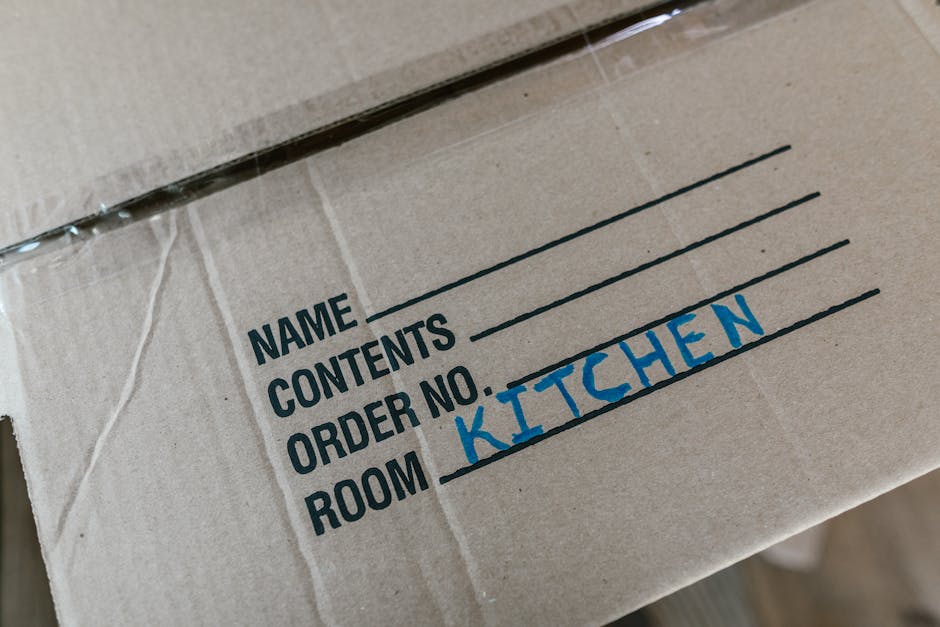
Packing is often the part of the move that saves the most time later. Boxes that are filled sensibly, sealed properly and grouped by room are easier to load and easier to place again at the destination. A moving team can work more efficiently when breakables are wrapped, lightweight items are kept apart from dense ones and loose parts are secured together before the vehicle is loaded.
For people who want extra help with preparation, there are services aimed at the practical side of moving, including packing and boxes and packing and unpacking services. These can be useful if you need materials, help with organising contents or support on the other side of the move when you want rooms settled quickly and methodically.
Two pieces of advice are especially useful here: first, separate essential items such as documents, chargers and medications so they are easy to reach; second, avoid overfilling cartons so they can be carried safely. If you prefer, keep a short list of fragile items ready when you ask for a quote. That allows the plan to match the contents rather than relying on guesswork.
Access, stairways and item protection

Access is one of the biggest practical factors in removals because it influences carrying distances, vehicle positioning and the order in which items are taken out. Staircases, narrow landings, shared entrances and limited parking can all affect the method. When the route is well understood, the work can be organised to reduce handling risks and to protect walls, bannisters, doors and furniture edges.
Protection matters for both the property and the items being moved. Blankets, wrapping materials and correct stacking help keep surfaces in better condition, especially for polished furniture, tables, wardrobes and appliances. If an item is large but not especially fragile, it may still need to be angled, dismantled or carried by two people. The aim is to match the lifting method to the shape and weight of each piece.
For larger or more awkward items, the right vehicle and loading method can make the move far smoother. A service such as removal van, removal truck or removal truck hire may be relevant where the volume, size or route requires more space than a small vehicle can reasonably provide.
Storage, timing and moves with flexibility
Some moves need a gap between leaving one place and entering the next. In that case, storage can be a sensible part of the plan, particularly where completion dates, decorating work or access restrictions create a delay. It is often easier to move in stages than to rush everything into one day, especially when larger items, seasonal belongings or spare furniture are involved.
If your move may need temporary holding space, the relevant page is storage. Combined with the right loading plan, storage can help when rooms need clearing before a handover or when you want to move contents in a more measured sequence. Some customers also look at same day removals when timing is compressed, although the best approach depends on the volume and the access available.
Timing and access details are usually enough to begin a sensible quote discussion. If the move has a fixed deadline, mention it early, but do not worry about making the brief perfect. A clear note about the dates, the properties and any staggered handover is more useful than an overlong explanation. Orderly scheduling tends to matter more than rushing.
Service options for different types of move
Removals are not one-size-fits-all, which is why it helps to match the service to the type of contents and the practical route involved. A student room move, for example, may need a lighter approach than a family home relocation, while a multi-room office move may benefit from staged handling and labelled loading. The choice is often about how much help is needed rather than the postcode alone.
Useful related options include student removals, man with a van and man with van. These pages can suit smaller moves, tighter schedules or collections of items where the priority is straightforward transport with the right level of loading support. The differences between them are mainly about capacity, assistance and how much of the move they are intended to cover.
When comparing options, look at the balance of space, lifting help and item mix. A small number of bulky pieces can be more demanding than a larger number of light boxes, and that can affect the most suitable service. Choosing by contents rather than by assumption tends to lead to a better match and a smoother move.
About Brompton
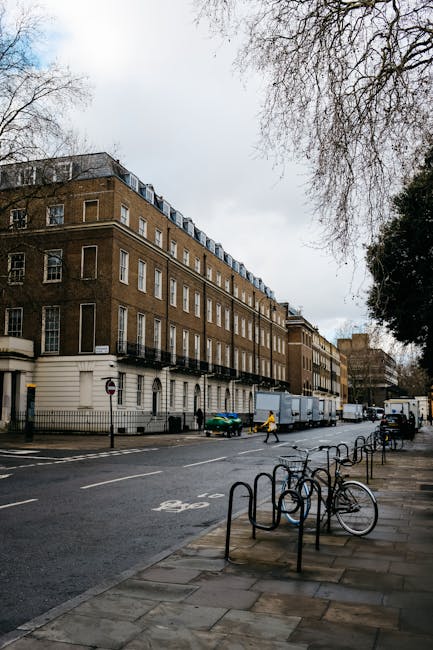
Brompton is a name used for more than one place in England, but the best-known Brompton in central London sits within the Royal Borough of Kensington and Chelsea, close to South Kensington and Chelsea. The area is closely associated with the long sweep of Brompton Road, which connects several well-known parts of west London and has long been shaped by urban development, retail, institutions and residential streets. Nearby landmarks help define its character: the Natural History Museum, the Victoria and Albert Museum and the Science Museum are all in the wider South Kensington district, while Hyde Park and Kensington Gardens lie to the north-east. The area also sits within an elegant network of terraces, mansion blocks and garden squares that reflect the growth of this part of London during the nineteenth century. Brompton Cemetery, opened in 1840, is one of the district’s most distinctive historic spaces, with tree-lined paths, memorial architecture and a strong sense of Victorian landscape design. The locality has also been influenced by transport links over many decades, including nearby Underground stations that connect the district with the wider city. As a result, Brompton combines central London movement with quieter residential pockets, institutional buildings and a built environment that reflects successive periods of change rather than a single historical layer.
Piano moves and specialist heavy items

Some items require more than ordinary lifting because they are heavy, delicate or both. Pianos are the clearest example, but the same principle can apply to substantial cabinets, safes or other unusually weighty possessions. In these cases, the handling method matters as much as the route, because the item may need additional protection, controlled movement and careful positioning at both ends of the journey.
If you are moving a specialist item, the most relevant service page is piano removals. This kind of move benefits from clear information about stair access, door widths, floor levels and whether any dismantling or repositioning is needed. A heavier item can often be moved successfully when the plan accounts for its shape, finish and balance, not just its weight.
For items of this kind, it is better to describe the object plainly than to overcomplicate the request. Mention whether it stands upright, whether it has castors or removable parts, and whether it needs to go to storage, upstairs or into a tight room. Specifics save time and make the quote more practical. If the item is part of a larger move, it can be scheduled alongside the rest of the load.
Pricing, quotes and choosing the right removals support
Prices for removals are shaped by several practical factors rather than by a single measure. The volume of contents, distance travelled, access at each property, the need for dismantling and the presence of specialist or fragile items can all influence the work involved. A move with straightforward access and a modest load is different from one that involves multiple floors, parking limits and several large pieces of furniture.
For people comparing choices, the most useful starting point is usually the pricing information on pricing and quotes. That page can help you think through what to include when describing a move, while the rest of the service pages show how the work is divided between domestic, commercial and specialist options. If you are looking for general background on the range of removals support available, removal services and removals are also relevant starting points.
Ask for a quotation once you know the main items, the address type and the likely move date. If you want to keep it simple, list the largest pieces first and add any access issues after that. You can also prepare a brief note on what stays, what goes and whether storage is needed. For the final step, use the contact us page and send the details through.
Careful handling, policies and service standards

A good removals service is built around clear handling standards as well as transport. Items should be loaded in a way that keeps weight balanced, vulnerable surfaces protected and boxes arranged so they stay stable during transit. The customer benefits when the move is carried out with an organised sequence, because it reduces the chance of confusion at the destination and helps the unloading process run more smoothly.
It is also sensible to know how a company approaches safety, payments and complaint handling before confirming a booking. Relevant pages on this site include insurance and safety, payment and security and complaints procedure. These pages provide practical background on how the service is organised and how key administrative matters are handled alongside the moving work.
If you would like to move ahead, send a short message with the main item list, property type and preferred timing, then request a quotation. A simple enquiry is enough to begin, and it is often the quickest way to match the right removals support to your move in Brompton.