SW3 Moving Tips House Removals for Brompton Residents
Moving home in Brompton can feel strangely simple on paper and then, on the day, a bit like juggling boxes in a corridor while someone asks where the kettle is. If you are looking for SW3 moving tips house removals for Brompton residents, this guide is built to make the whole thing calmer, more organised, and a lot less last-minute. You will find practical advice for planning, packing, choosing the right moving help, and avoiding the little mistakes that turn a normal move into a stressful one.
The aim here is not to overcomplicate things. It is to give you a clear, local-minded approach that works for real London homes, whether you are moving from a compact flat, a larger townhouse, or somewhere with awkward stairs and tight access. Let's make it manageable.
- Why SW3 moving tips house removals for Brompton residents Matters
- How SW3 moving tips house removals for Brompton residents Works
- Key Benefits and Practical Advantages
- Who This Is For and When It Makes Sense
- Step-by-Step Guidance
- Expert Tips for Better Results
- Common Mistakes to Avoid
- Tools, Resources and Recommendations
- Law, Compliance, Standards, or Best Practice
- Options, Methods, or Comparison Table
- Case Study or Real-World Example
- Practical Checklist
- Conclusion
- Frequently Asked Questions
Why SW3 moving tips house removals for Brompton residents Matters
SW3 is a postcode where the details matter. Brompton homes often come with narrow entrances, parking considerations, stair-heavy buildings, shared access, or time restrictions that can make a move more delicate than people expect. Good planning reduces the risk of damage, delays, and the sort of small chaos that always seems to happen five minutes before the van arrives.
For Brompton residents, moving tips are not just about neat packing. They are about timing, access, volume, and choosing a removal approach that suits the property. A one-bedroom flat near a busy street needs a different strategy from a family house move with delicate furniture, stored items, and school runs to work around.
To be fair, many people only realise this once the first sofa gets stuck halfway through a doorway. Not ideal. A better plan starts earlier, with an honest look at what you are moving and how your building works in practice, not just on the listing photos.
If you are comparing support options, it can help to look at broader home moves planning, the specific realities of house removals, and, for tighter access or smaller loads, whether a man with van style service is a better fit than a larger team.
How SW3 moving tips house removals for Brompton residents Works
The practical side of a Brompton move usually follows the same broad pattern: assess the property, estimate the load, plan access, pack properly, and book the right transport. The difference is in how carefully each step is handled.
First, list what is actually moving. That sounds obvious, but it is easy to underestimate the volume of books, kitchen items, winter coats, lamps, bedding, and all those odd objects stored behind doors. The difference between "a few boxes" and "more than we thought" is often the difference between a smooth day and a very long one.
Next, consider access. Is there lift access? Are there steps at the front door? Can the van stop close enough? Is there a shared hallway or controlled entrance? These details affect how quickly the move can happen and whether you need extra hands, a smaller vehicle, or more time on the clock.
Then think about the type of support you need. A full team may suit a larger property, while a smaller or simpler move could work well with man and van support. If you need more structured handling, especially for a full household relocation, a dedicated house removalists service may be the better call.
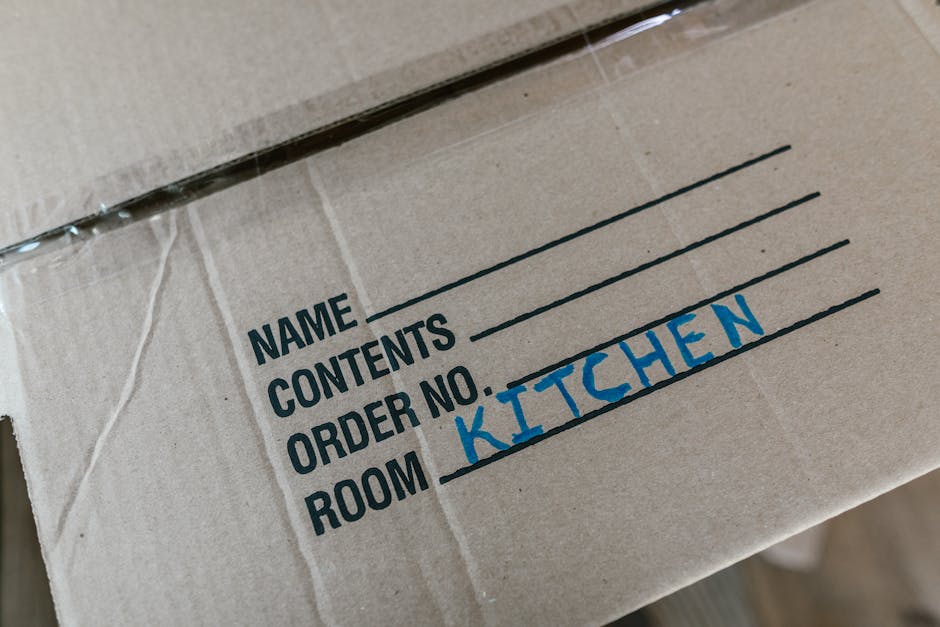
After that comes packing. Good packing is about protecting items, yes, but it also makes loading faster and unpacking much less miserable. Label boxes by room and priority. Put essentials somewhere easy to reach. Keep one bag aside for documents, chargers, medication, and the stuff you would genuinely panic about if it vanished. That bag matters more than people think.
Key Benefits and Practical Advantages
A well-planned SW3 move saves more than time. It preserves energy, reduces breakages, and keeps the day from becoming a half-baked scramble. That matters especially in Brompton, where access challenges can amplify even small delays.
- Less stress: Clear planning removes a lot of uncertainty.
- Faster loading and unloading: Proper packing and labelling help the team work efficiently.
- Lower risk of damage: Good wrapping and the right vehicle reduce knocks and scrapes.
- Better budget control: Accurate planning helps avoid last-minute changes and extra trips.
- Cleaner handover: A structured move makes it easier to leave one property tidy and settle into the next.
There is also a mental benefit that people underestimate. A move feels lighter when you know what happens next. Even if the boxes are not exactly beautiful, the process feels under control. And honestly, that is half the battle.
If you are trying to decide whether to outsource some or all of the job, browsing removal services alongside packing and boxes support can give you a clearer sense of what is realistic for your timeline and budget.
Who This Is For and When It Makes Sense
This guidance is especially useful if you are:
- moving within Brompton or elsewhere in SW3
- relocating from a flat with stairs or limited storage
- moving from a family home with larger furniture
- trying to keep a move quiet, fast, and low-disruption
- balancing a property handover, work, or family commitments
- planning a move with fragile, bulky, or awkward items
It also makes sense if you are not sure whether a full moving team is necessary. For a smaller move, a van-based solution may be enough. For a larger property, or if you have several heavy items, more structured support can save you a lot of hassle. A piano, for example, changes the conversation quickly. So does a large wardrobe that looked light in the bedroom and suddenly weighs a ton on the stairs.
For some residents, short-term holding is part of the picture too. In that case, storage can bridge the gap between move-out and move-in dates without forcing rushed decisions.
Step-by-Step Guidance
Here is a practical order to follow. Keep it simple. No need to make it a project management masterpiece.
- Start with a room-by-room inventory. Write down what is moving, what is being sold, and what can be donated or recycled.
- Book the move early. Swifter booking usually gives you more choice on timing and vehicle type.
- Confirm access details. Note stairs, lift size, parking restrictions, and any gate codes or entry rules.
- Gather the right packing materials. Use strong boxes, tape, wrapping paper, bubble wrap where needed, and clear labels.
- Pack by priority. Keep essentials in separate bags and make sure day-one items are easy to find.
- Disassemble larger furniture if needed. Bed frames, tables, and shelving often move better when taken apart.
- Protect fragile items carefully. Plates, glassware, mirrors, and electronics should be wrapped and separated.
- Plan the van loading order. Heavier items first, fragile items last, and anything needed first at the destination should be loaded with that in mind.
- Do a final sweep. Check cupboards, behind doors, on windowsills, and in the loft or storage spaces.
- Leave time for the handover. Keys, meters, forwarding details, and final checks can take longer than expected.
A small but useful detail: label boxes on two sides, not just one. When a stack is in a hallway, the visible side is not always the side you packed neatly. Annoying, but true.
Expert Tips for Better Results
Over time, the best moves tend to share a few habits. Nothing glamorous. Just smart decisions made early.
1. Use a "first night" box
Pack toiletries, a charger, basic kitchen bits, tea bags, a towel, and any medication in one clearly marked box or bag. After a long moving day, that box is gold.
2. Protect doorframes and corners
In older properties especially, scuffs happen fast. Even careful people clip a wall when turning a mattress or chest of drawers. Padding and a slow, steady pace help more than rushing.
3. Photograph tricky furniture before dismantling
Take a quick photo of cable layouts, shelf positions, or assembled fittings. Future-you will appreciate the memory aid. Trust me on that one.
4. Keep small items together
Do not let screws, brackets, and remote controls roam free in random drawers. Put them in sealed bags and tape them to the item or place them in a clearly labelled container.
5. Match the vehicle to the access
Sometimes a smaller vehicle and more efficient routing is smarter than trying to force a bigger truck into a location that is awkward or restricted. If your move is straightforward but time-sensitive, a removal van may be a practical fit. If the load is larger, a moving truck can be more suitable.
In our experience, the smoothest Brompton moves are the ones where the plan respects the building, not just the belongings. That sounds obvious. It is, sort of. But it is also where many delays begin.
Common Mistakes to Avoid
Most moving problems are preventable. The trouble is, they are very easy to repeat when you are busy.
- Underestimating volume: A few "extra" boxes can change vehicle needs.
- Poor labelling: If every box says "misc," unpacking becomes a treasure hunt.
- Leaving packing too late: Last-minute packing usually means more breakages and more stress.
- Ignoring access issues: Parking and stairs are not small details. They are the move.
- Not setting aside essentials: The item you need first is often the one packed deepest.
- Forgetting to check terms: Understanding booking conditions and service scope can prevent awkward surprises.
Another common one: assuming every move needs the same approach. A student move, for instance, is usually very different from a full family relocation. The same goes for flats and larger houses. The more honestly you match the service to the load, the better the day usually goes.
If you are moving a lighter load, it may be worth comparing options such as student removals or a simpler man with a van arrangement rather than overcommitting to something larger than you need.
Tools, Resources and Recommendations
You do not need a warehouse of supplies. A focused kit is enough for most home removals in SW3.
- strong double-walled boxes for heavier items
- smaller boxes for books and dense household items
- tape and tape dispenser
- marker pens for room labels and contents notes
- wrapping paper or soft packing paper
- blankets or padding for furniture protection
- zip bags for fittings, cables, and small parts
- basic toolkit for furniture dismantling
- measuring tape for access checks and furniture planning
Useful service pages can also help you make a more informed decision. If you need support for a full household move, house removals and removals are good starting points. If you are moving delicate or large household pieces, furniture removals and furniture pick up can be relevant, depending on whether you are relocating or simply clearing space.
For service comparison and planning, it is also sensible to review pricing and quotes early. That way, you can match the level of support to the move instead of guessing and hoping.
Law, Compliance, Standards, or Best Practice
For a home move in Brompton, the key compliance issues are usually practical rather than dramatic. Still, best practice matters. Reputable removal firms should be clear about service scope, handling procedures, payment expectations, and insurance coverage. It is also sensible to understand how belongings are handled in transit and what happens if access is difficult or plans change.
Households should also think carefully about safety. Heavy lifting, awkward turns, and narrow staircases can cause injury if rushed. Good manual handling practice, suitable equipment, and enough people for the job are all part of a safe move. That is where a professional approach earns its keep.
If you are storing items temporarily, or moving more than one load, it is sensible to ask about handling standards and protection for fragile goods. You do not need legal jargon. You need clarity. Plain English is better, really.
For broader trust signals and company policy detail, useful pages include insurance and safety, health and safety policy, and terms and conditions. If you care about environmentally responsible disposal or sorting, recycling and sustainability is worth a look too.
Options, Methods, or Comparison Table
Different moving methods suit different Brompton homes. Here is a straightforward comparison.
| Option | Best for | Advantages | Watch-outs |
|---|---|---|---|
| Full house removals | Large homes, family relocations, multiple rooms | More structured, less personal lifting, better for bigger loads | Usually needs more planning and may cost more than simpler options |
| Man and van | Smaller moves, light-to-medium loads, flexible jobs | Good for quick, efficient transport | May not suit bulky furniture or a full-house move |
| Removal van with a larger load plan | Flat moves, mixed furniture, one-day relocations | Balanced option for many London homes | Needs accurate volume estimates to avoid multiple trips |
| Storage-assisted move | Delayed handovers, renovation gaps, temporary downsizing | Reduces pressure when dates do not align | Requires extra organisation and labelling discipline |
There is no single winner. The right choice depends on how much you own, how quickly you need to move, and how much access complexity the property has. A compact flat with few items might be best served by a smaller vehicle and careful planning. A larger move probably needs a fuller service. Simple as that, although reality does enjoy throwing in a curveball now and then.
Case Study or Real-World Example
Picture a Brompton resident moving from a top-floor flat into a nearby family house. The flat has narrow stairs, limited parking outside, and a mix of furniture: a bed frame, a dining table, several book boxes, kitchenware, and a couple of fragile mirrors. The move is local, but the access is the real challenge.
Instead of treating it as a quick throw-it-in-the-van job, the resident measures the larger furniture, checks lift access, separates the fragile items, and packs a first-night box. The largest items are dismantled the day before. Parking is confirmed in advance. Labels are placed on every box, and anything needed immediately at the new home is packed together.
The result is not magical. It is just organised. Loading takes less time, breakage risk is lower, and the person moving spends less of the day hunting for essentials. That sort of move feels calmer from the first box to the last chair.
A very similar approach works if you are moving from a smaller property with only a handful of larger items. In those cases, a simple removal van solution combined with good prep often does the job neatly.
Practical Checklist
Use this as a quick pre-move sanity check.
- Make a room-by-room inventory
- Declutter before packing begins
- Confirm moving date and arrival window
- Check parking, access, stairs, and lift details
- Measure bulky furniture and doorways if needed
- Gather boxes, tape, labels, and wrapping supplies
- Pack essentials separately
- Mark fragile boxes clearly
- Set aside screws, fittings, and cables in labelled bags
- Protect floors and corners where practical
- Keep valuables and documents with you
- Do a final sweep of cupboards, loft areas, and behind furniture
- Plan for utilities, keys, and handover timing
A small extra note: keep snacks and water nearby. It sounds almost too simple to mention, but a moving day always gets longer than expected. Always.
Get a free quote today and see how much you can save.
Conclusion
For Brompton residents, the best SW3 moving tips are the ones that respect the realities of the property, the load, and the day itself. A well-planned move is not about being overly cautious or obsessing over every box. It is about making sensible decisions early so the process stays calm later.
Whether you are moving a few rooms or a whole household, the same principles apply: plan access, pack with purpose, choose the right support, and leave yourself enough breathing room. That is how you avoid the small disasters and keep the day moving forward.
If you are in the middle of planning now, take a breath, make the list, and start with the essentials. A move done thoughtfully has a way of feeling lighter than you expected. And that is a very good thing.
Frequently Asked Questions
What are the most useful SW3 moving tips house removals for Brompton residents?
The most useful tips are to plan access early, pack room by room, label boxes clearly, separate essentials, and choose a moving method that suits the size of your home. In Brompton, access details often matter just as much as the belongings themselves.
How far in advance should I book house removals in Brompton?
As early as you reasonably can. Even local London moves can become busy at certain times, and early booking gives you a better chance of getting the right vehicle, time slot, and level of support.
Is a man with a van enough for a Brompton home move?
Sometimes, yes. It can work well for smaller homes, lighter loads, or moves with limited furniture. For larger houses, multiple bulky items, or more complex access, a fuller removal service is usually the safer choice.
How do I know whether I need storage?
If your move-out and move-in dates do not line up, or you are reducing the amount you want to take straight away, storage can help bridge the gap. It is also useful during renovations or temporary downsizing.
What should go in a first-night box?
Keep toiletries, phone chargers, basic kitchen items, a change of clothes, medication, important documents, and anything you know you will need straight away. If you have children, add snacks, comfort items, or bedtime essentials too.
Are flat removals different from house removals in SW3?
Yes. Flats often involve stairs, lifts, shared entrances, and tighter access. House removals may involve more furniture and a larger volume, but usually with fewer shared-space complications.
How can I reduce the risk of damage during the move?
Use sturdy packing materials, wrap fragile items well, dismantle awkward furniture where possible, and make sure heavier items are loaded securely. Clear labelling also helps reduce the chance of things being handled the wrong way round.
What if I need to move at short notice?
If time is tight, look for same-day or rapid-response support where appropriate. You may also need to simplify the move, prioritise essentials, and consider whether some items can go into storage temporarily.
Do I need to dismantle furniture before moving day?
For larger items, usually yes. Beds, wardrobes, tables, and shelving often move more safely when taken apart. It can also make access easier in tight Brompton properties.
How do I compare removal options without overpaying?
Match the service to the actual load, the access, and the timing. A smaller job may only need a van-based solution, while a larger household move may justify a broader service. Comparing pricing and quotes alongside the type of support helps you avoid paying for more than you need.
What should I check before moving day to avoid surprises?
Check parking, entry instructions, lift access, the size of your furniture, and whether any items need special handling. Also confirm the time window, what is included, and whether you need to prepare anything in advance. That little bit of checking can save a lot of faff later on.
Where can I learn more about the company's approach to safety and service standards?
It is sensible to review pages such as about us, insurance and safety, and health and safety policy so you can understand how service expectations and safety are handled.